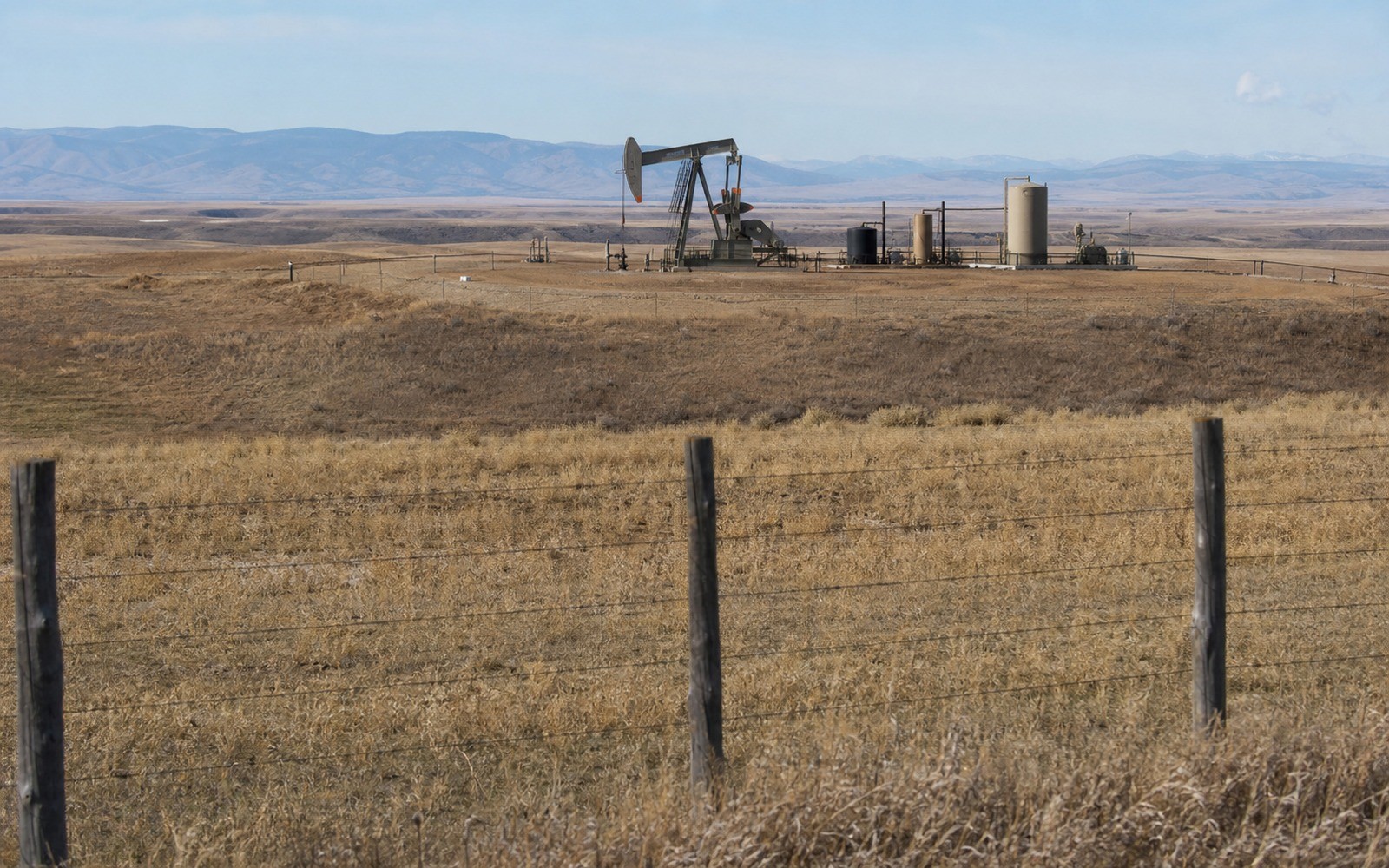
Uinta Basin Mineral Rights
Utah's Uinta Basin produces a type of crude oil that's thick enough to need heating just to move through a pipeline, and that one geologic quirk shapes almost everything else about how minerals here get priced.
Centered in Duchesne and Uintah counties in northeastern Utah, the Uinta Basin produces waxy crude oil, a paraffin-heavy oil that solidifies at relatively warm temperatures compared to typical crude, which has historically meant it had to be trucked or specially handled rather than moved through standard pipeline infrastructure. That transportation bottleneck has been a defining constraint on the basin's growth for years. The proposed and partially approved Uinta Basin Railway project, intended to move waxy crude out by rail in heated, insulated cars, has been one of the more closely watched infrastructure stories in the basin, with real implications for future development if it moves forward at scale.
On top of the crude handling question, a significant share of the basin sits on or near Ute Indian Tribe land and federal minerals managed by the Bureau of Land Management, which adds another layer most owners in a straightforward private-mineral state don't have to think about.
Why waxy crude changes the transportation math
Because this oil doesn't move easily through ordinary pipelines, producers have relied heavily on trucking to refineries, mostly in the Salt Lake City area, which adds real cost per barrel compared to a basin with direct pipeline access. That added transportation cost gets reflected in the netback price your royalty is based on, so a buyer pricing your minerals should be working off your actual realized price, not a generic benchmark crude price. Any future rail capacity that materializes could improve that economics, but that's a development to track, not something to price in as document.
Tribal and federal mineral ownership is common here
If your interest traces back to tribal trust land, an allotment, or a federal lease, the ownership documentation and transfer process look different than a standard private mineral deed, often involving the Bureau of Indian Affairs or BLM directly. Confirm your ownership category early, since not every mineral buyer is equipped to handle tribal or federal transfers correctly, and getting this wrong early can slow a transaction down considerably.
What to gather before comparing offers
Pull your division order and confirm whether your interest is private, tribal, or federal. Check recent royalty statements to understand your actual realized price given the trucking-dependent transportation situation, and ask any buyer directly how they're accounting for that netback in their offer. Given the basin's smaller, more specialized buyer pool, a second opinion from someone with specific Uinta Basin and, if applicable, tribal or federal mineral experience is worth the extra step.
Duchesne and Uintah County records are the place to start
Utah's Division of Oil, Gas and Mining maintains well production and permitting records that cover most of the basin's development history, and it's worth cross-checking your own well's data there independent of what any buyer summarizes for you. If your interest involves an allotment or trust land specifically, the Bureau of Indian Affairs regional office handling Ute Tribe matters is the authoritative source for confirming ownership status before any transfer moves forward.
It's also worth asking a prospective buyer directly how the current price differential for waxy Uinta crude compares to standard benchmarks at the time of the offer, since that differential moves with refinery demand and available trucking capacity, and a stale reference point can distort what a fair price looks like for your specific interest. Ask for the source and date behind whatever differential they're using rather than accepting it at face value, since that single number can swing an offer meaningfully in either direction depending on exactly how and when it's applied.
Questions Owners Put on the Bid Sheet
Why is Uinta Basin crude called waxy, and does it matter to my royalty?
The oil here has high paraffin content and solidifies at relatively warm temperatures, historically requiring trucking rather than standard pipeline transport. That adds cost that shows up in your realized netback price, which a buyer should account for directly.
How do I know if my minerals are tribal, federal, or private?
Check your division order and lease paperwork, or request a title check. A significant share of Uinta Basin acreage involves Ute Tribe or federal BLM minerals, which follow a different ownership and transfer process than private deeds.
Will the proposed Uinta Basin Railway increase what my minerals are worth?
It's a development worth tracking since improved rail takeaway could lower transportation costs and support more drilling, but it shouldn't be treated as a document outcome when evaluating a current offer.
Does owning tribal or federal mineral rights limit who can buy them?
It can, since not every buyer is set up to handle the specific paperwork involved with tribal trust or federal lease transfers. Confirm a buyer's experience with this before moving forward, and ask for examples of similar transfers they've completed.