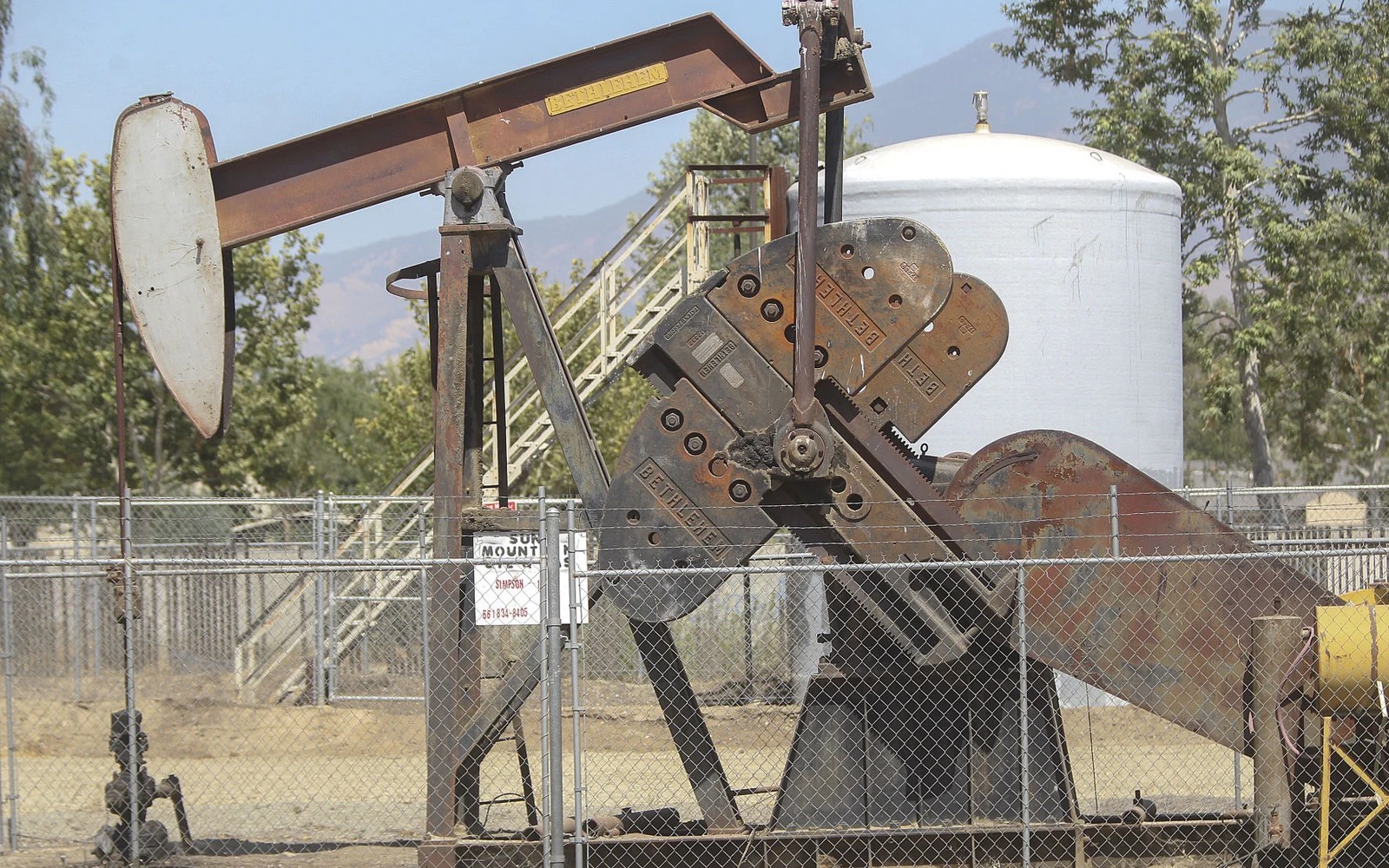
Surface vs. Mineral Estate
Owning the dirt and owning what's underneath it are two separate legal estates in most of the country, and mixing them up is the most common mistake mineral owners make.
In most states, land can be split into a surface estate and a mineral estate that are owned separately, sold separately, and taxed separately, even though from the road they look like the same property. If your family sold the surface generations ago but reserved the minerals, or bought land where a previous owner had already severed the minerals to someone else, you may own one without the other - and a lot of confusion in this business starts with owners who assume they own both simply because they own one.
This matters directly if you're thinking about selling. What you actually have to sell depends entirely on which estate, or which fraction of which estate, is titled in your name - not on which one you assumed you had based on living on or near the property.
How severance actually happens
A mineral estate gets severed from the surface estate through a deed that either conveys the minerals while retaining the surface, or conveys the surface while reserving the minerals to the seller. Once that severance happens and gets recorded, the two estates move independently from that point forward - the surface can be sold, subdivided, or inherited by one line of owners while the minerals pass down an entirely separate line through a different set of heirs.
This is why you can own a house and the land under it with zero claim to the oil and gas beneath your own backyard, if a prior owner reserved the minerals before selling the surface to whoever eventually sold to you. Check your deed's language carefully, or have a title company do it, since the phrase 'excepting and reserving all oil, gas, and other minerals' buried in a decades-old deed is exactly the kind of thing easy to miss.
Which estate typically dominates when there's a conflict
In most states, the mineral estate is legally dominant over the surface estate, meaning a mineral owner or their lessee generally has the right to reasonable use of the surface to access and produce the minerals, even if that mineral owner doesn't own the surface itself. This surprises a lot of surface owners who discover an operator has the right to put a well pad on their property because someone else, generations removed, owns the minerals underneath.
If you own the mineral estate but not the surface, this dominance is actually part of what you're selling - a buyer of your minerals is also acquiring that right of reasonable surface access for development, which is a real component of value even though it's easy to overlook when thinking only about royalty numbers.
Figuring out exactly what you own before you sell
Pull your deed and any prior deeds referenced in it, and look specifically for reservation or exception language around oil, gas, and minerals. If your deed is silent on minerals and simply conveys 'the land,' you likely own both estates together, but if there's any exception language, you need to trace who currently holds whatever was reserved or excepted, since it may not be you.
A title company or landman can run this chain for a modest fee if the deed language is unclear or if you're dealing with several generations of transfers. Know exactly which estate, and what fraction of it, is actually yours before you talk numbers with any buyer, since offering to sell something you don't fully own creates problems that surface during the buyer's own title work regardless.
Questions Owners Put on the Bid Sheet
How do I know if my minerals were severed from my land?
Check your deed and any prior deeds in the chain for exception or reservation language mentioning oil, gas, or minerals. If it's silent, you likely own both estates. If you find that language, trace who currently holds what was excepted.
Can someone drill on my land if I don't own the minerals?
In most states, yes. The mineral estate is typically dominant, giving the mineral owner or their lessee the right to reasonable surface access for development, even without the surface owner's consent, though many states require compensation for surface damages.
If I own the minerals but not the surface, can I still sell them?
Yes. You can sell your mineral estate independent of the surface, and the buyer acquires the same rights you have, including reasonable surface access for development in most states, as part of what they're purchasing.
What does 'excepting and reserving' mean in an old deed?
It means the seller in that transaction kept the minerals for themselves while conveying the surface. That reserved mineral interest then passed to their heirs or whoever they later sold it to, separately from the surface's ownership chain.
Do I need a title search before selling mineral rights?
Strongly recommended, especially if your deed history is unclear or spans several generations. It confirms exactly what estate and what fraction you actually own before you represent it to a buyer, avoiding problems that surface later during closing.