Barnett Shale Mineral Rights
The Barnett Shale made the whole modern shale boom possible, and now it's a mature, mostly-drilled-out gas play where the rig count is a shadow of what it was in the 2000s, which changes how you should approach an offer.
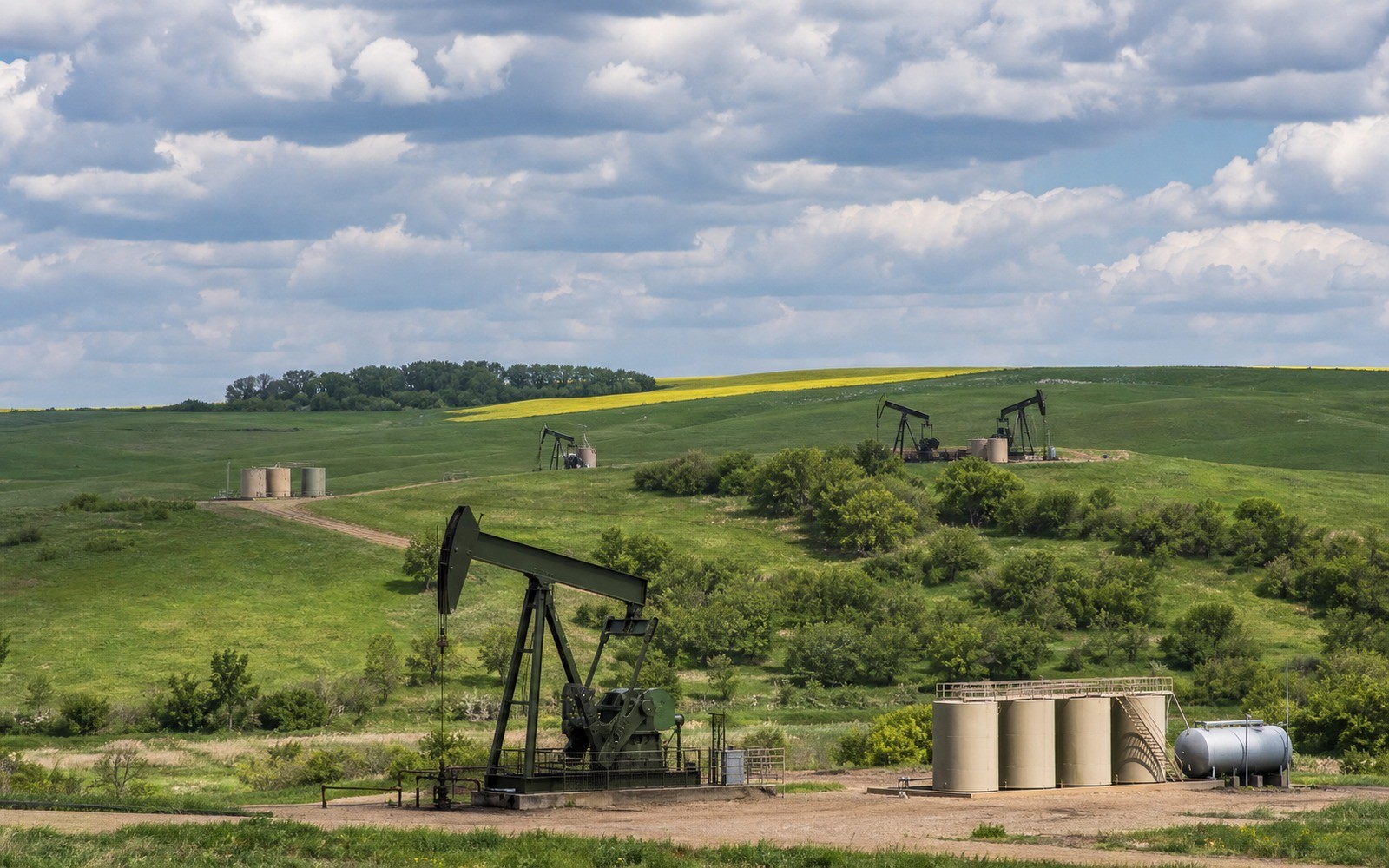
Everything under Tarrant, Denton, Johnson, Wise, and the rest of the Fort Worth Basin has already been through its main development cycle. The Barnett was the play that proved horizontal drilling and hydraulic fracturing could work at scale, starting in the late 1990s and running hard through the mid-2000s under George Mitchell's early work and the operators who followed. Most of the wellbores out there now are ten, fifteen, twenty years old, well into their decline curves, producing steady but shrinking volumes of dry gas.
That maturity means the buyer pool has thinned out considerably compared to the boom years. You're not fielding calls from five different landmen anymore. You might be dealing with one or two buyers who specialize in legacy Barnett production, and that changes the whole dynamic of getting a fair number.
Why there's no bidding war left to run here
When a basin has active drilling, mineral buyers compete because they're betting on future wells, and less on current production alone. The Barnett doesn't have that upside anymore for most tracts, new permits are rare. So the buyers still active here are pricing your interest almost entirely off existing decline curves, and there simply aren't that many of them left doing this work seriously. That's the one-buyer-town reality Fort Worth Basin owners run into, and it means you can't lean on competition the way an owner in an active Permian county can.
What still protects you without a crowd of bidders
Your leverage here comes from your own paperwork, not from a bidding war. Pull two or three years of royalty statements and look at the actual month-over-month decline rate. Legacy Barnett wells often flatten out at a low, stable volume rather than dropping to zero, and that flat tail has real value to a buyer who knows how to price stripper-well gas. A buyer who tries to price your interest off an aggressive decline assumption without looking at your specific statements is guessing, and you're entitled to push back on that guess with your own numbers.
Natural gas price swings matter more here than in an oil-weighted basin, since Barnett production is almost entirely dry gas. An offer made during a low-price stretch for gas will read differently than one made when prices have firmed up, so timing and price context both belong in the conversation.
Getting a second look even in a thin market
Even with fewer active buyers, it's worth the effort to get a second set of eyes on your division order and royalty history before you sign. One additional offer, even from a smaller regional buyer who knows legacy North Texas gas specifically, tells you whether the first number reflects your well's real remaining life or just a fast, conservative guess built for a mailer list.
Urban drilling brings its own paperwork wrinkles
A meaningful share of Barnett Shale wells sit under or near suburban Fort Worth neighborhoods, drilled from pad sites tucked into subdivisions and parks during the boom years. If that's your situation, your lease and pooling documents may carry surface-use terms or setback conditions that don't show up in a typical rural mineral lease, and those details occasionally affect how an operator or buyer treats your interest going forward. It's worth having someone familiar with urban North Texas leasing specifically review your paperwork rather than assuming a rural-lease template applies to your tract, especially since some of these older municipal agreements included provisions that are easy to overlook decades later.
Questions Owners Put on the Bid Sheet
Is the Barnett Shale still worth anything to mineral owners?
Yes, many legacy wells still produce steady, if modest, gas volumes years after the main drilling boom ended. Value now comes from that stable decline tail rather than expectations of new wells.
Why do I only get offers from one or two buyers?
The Barnett is a mature play with very little new drilling, so the pool of buyers actively specializing in legacy Fort Worth Basin gas is small compared to an active shale play. That's normal for this basin, not a sign something's wrong with your interest.
How do I know if a Barnett offer is lowballing my decline curve?
Compare it against your own royalty statement trend over the past two or three years. If a buyer assumes a steeper decline than your actual history shows, their offer is likely undervaluing the flat production tail these wells are known for.
Does natural gas price affect what my Barnett minerals are worth?
Yes, since Barnett production is almost entirely dry gas, offers tend to track gas price cycles more directly than they would in an oil-heavy basin. Consider where prices sit when comparing offers made at different times.