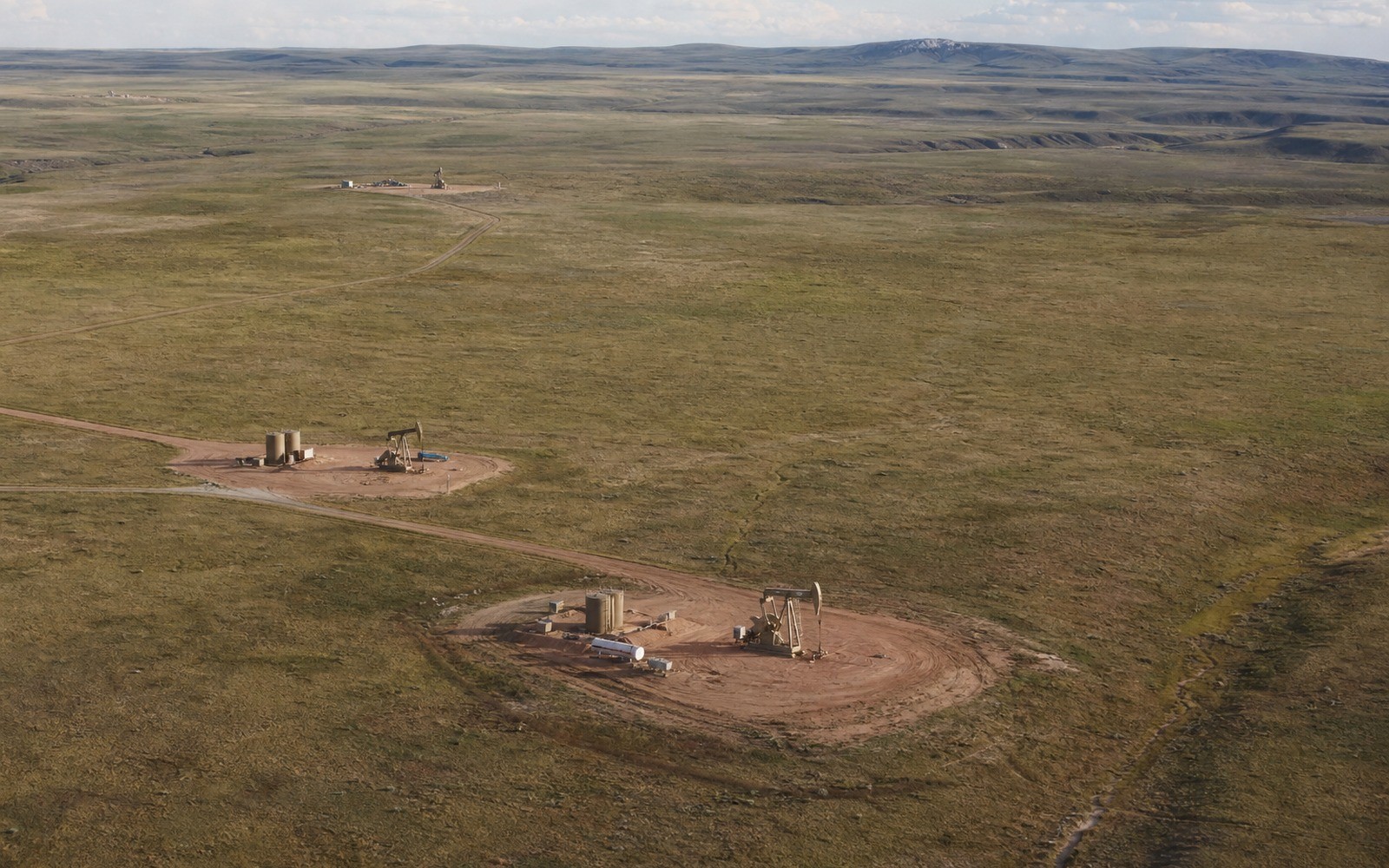
Non-Participating Royalty (NPRI)
You collect a royalty check but you don't get a vote on the lease that produces it, and that one distinction shapes everything about how an NPRI gets valued.
A non-participating royalty interest, an NPRI, entitles you to a share of production revenue but explicitly strips out any right to join in leasing decisions, negotiate lease bonus, or receive delay rentals - those rights stay with whoever holds the executive right, usually the mineral estate owner who carved out and sold or reserved your NPRI in the first place. You're purely along for the ride on production revenue, with no say in when, whether, or on what terms the underlying minerals get leased.
This distinction from a standard royalty interest is subtle on paper but matters a lot in practice, particularly if the acreage isn't currently leased, since you have zero leverage to push the executive right holder toward leasing it even if you'd benefit from a new lease bonus and eventual production.
Why NPRI buyers are a thinner pool than royalty or fee minerals
Buyers acquiring an NPRI are taking on an interest with zero control over its own future - if the executive right holder never leases the underlying minerals, an unleased NPRI produces nothing, forever, and there's nothing the NPRI owner or a buyer who acquires it can do to force the issue. That lack of control narrows the field of buyers willing to price NPRIs the same way they'd price fee minerals or a standard royalty interest tied to production already happening.
This shows up most starkly on unleased NPRIs, where a buyer is purely speculating on someone else eventually deciding to lease. Producing NPRIs, where a lease is already in place and royalty is already flowing, are a much easier sell since the underwriting looks close to a standard royalty interest at that point - the executive right question mostly recedes once production has already started.
How NPRI valuation differs in practice
For a producing NPRI, buyers value it much like any royalty interest - trailing payment history, decline curve, remaining well life - since the lack of executive rights doesn't change the mechanics of an already-flowing royalty stream. The NPRI label mostly matters for unleased acreage, where it signals to a buyer that there's an extra layer of uncertainty beyond whether drilling will happen, extending to whether the person who controls leasing will ever act at all.
If you know who holds the executive right on your NPRI - sometimes it's a family member, sometimes an unrelated party who acquired the mineral estate separately - that relationship and their apparent intentions toward leasing is worth mentioning to any buyer, since it's real information that affects how speculative the interest actually is.
What to check before selling an NPRI
Confirm your NPRI's specific terms in the instrument that created it - some NPRIs are perpetual, some are term interests that expire after a set period or upon a triggering event, and that distinction matters enormously to a buyer since a term NPRI nearing its expiration is a very different asset than a perpetual one. Read the actual reservation or conveyance language, or have an attorney do it, before representing your interest as one or the other to a buyer.
Because the buyer pool is thinner here, expect fewer initial responses when you shop an NPRI compared to fee minerals, and be patient about getting at least two comparison quotes rather than accepting the first buyer who's willing to engage seriously with the interest type.
Questions Owners Put on the Bid Sheet
What does non-participating mean in an NPRI?
It means the owner has no right to join in leasing decisions, negotiate bonus, or receive delay rental payments. Those rights belong to whoever holds the executive right, typically the mineral estate owner. The NPRI owner only receives a share of royalty once production occurs.
Is an NPRI worth less than a regular royalty interest?
If it's producing, it's valued similarly to a standard royalty interest since the underwriting is based on the same production data. If it's unleased, it typically carries more discount due to the added uncertainty of having no control over whether leasing ever happens.
Why do fewer buyers want to purchase NPRIs?
The lack of executive rights, especially on unleased interests, adds a layer of uncertainty many buyers aren't set up to underwrite. This narrows the field compared to fee minerals or standard royalty interests, particularly for unleased NPRIs.
Can an NPRI expire?
Some NPRIs are term interests that expire after a set period or upon a specific event, while others are perpetual. Check the original instrument that created your NPRI to confirm which type you own before selling.
Should I try to find out who holds the executive right before selling my NPRI?
It's worth knowing, especially for unleased acreage, since the executive right holder's intentions toward leasing directly affect how speculative your interest is. Sharing that context with a buyer can lead to a more informed offer.