Green River Basin Mineral Rights
Deep tight gas and federal minerals sitting right next to private ones, that combination makes the Green River Basin one of the more confusing places in the country to know what your interest is actually worth.
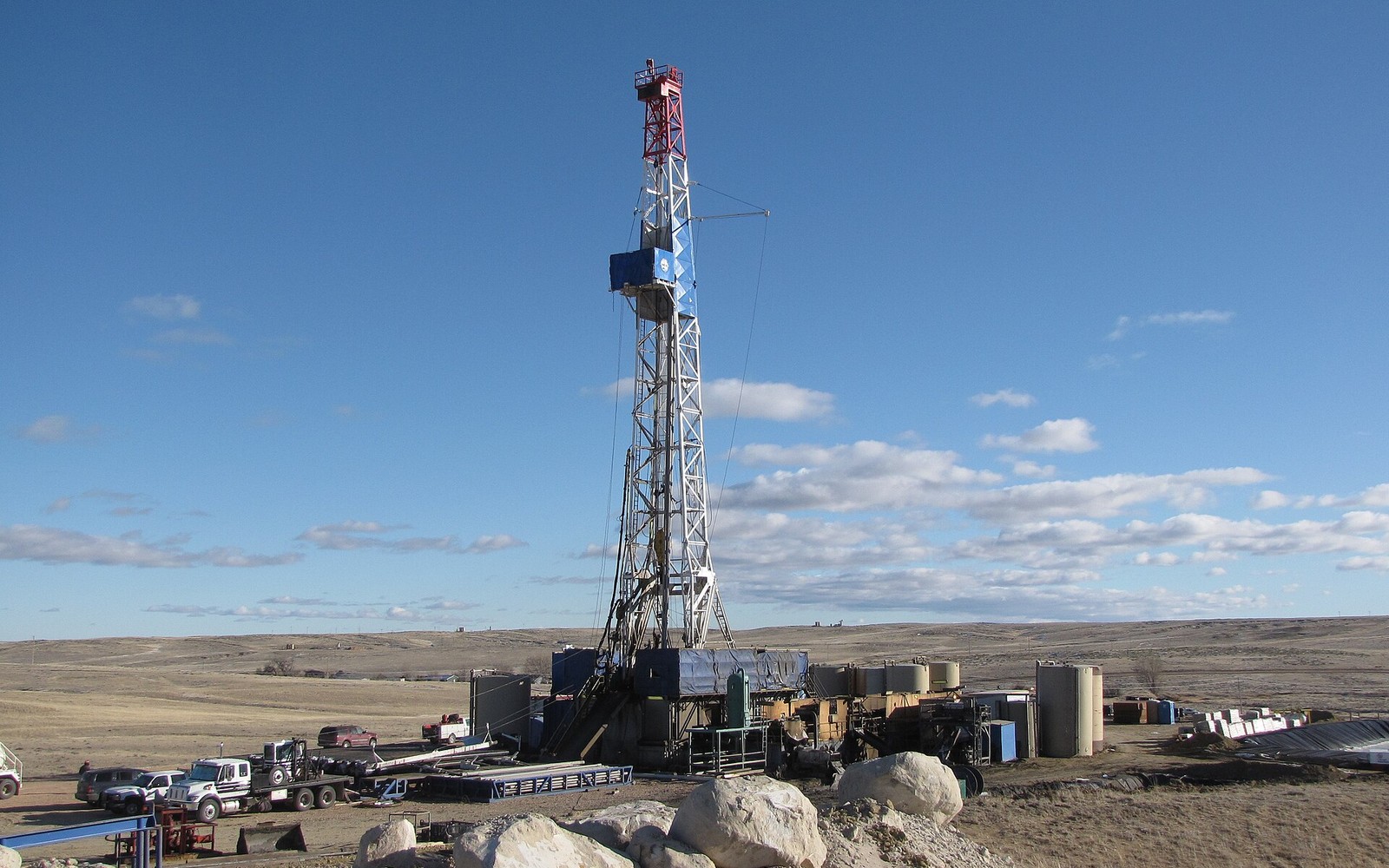
Southwestern Wyoming's Green River Basin, home to the Pinedale Anticline and Jonah Field, has produced tight gas from deep Lance and Mesaverde formations for decades, wells that often run well over 10,000 feet and require significant completion work to produce economically. This isn't shallow, easy-to-price shale, it's deep, capital-intensive gas development, and the economics swing hard with natural gas prices in a way that shallower, cheaper-to-drill basins don't feel as sharply.
On top of that, a large share of the acreage across Sublette and Sweetwater counties involves federal minerals managed by the Bureau of Land Management, sitting checkerboard-style next to privately owned tracts. Knowing whether your specific interest is private, state, or federal, and confirming that with actual paperwork, is step one before any offer conversation makes sense.
Why deep gas economics change the offer math
A well drilled to 12,000 or 14,000 feet costs a lot more to complete than a shallower well, and operators need sustained gas prices to justify new development at that depth. That capital intensity means Green River Basin drilling activity ebbs and flows more with the gas price cycle than some other basins, and buyers pricing your minerals will factor in where gas prices are sitting and where operators like the ones active in Pinedale and Jonah currently stand on new completions.
Private, state, and federal minerals aren't the same transaction
If your interest traces back to a federal mineral lease or an allotment, the transfer process and paperwork involved can look different than a straightforward private mineral deed, and not every buyer is set up to handle that correctly. Confirm early, through your division order or a title check, exactly what category your ownership falls into. This single detail changes both who can buy your interest and how long the closing process realistically takes.
What to bring to the table
Get your division order, confirm your ownership category, and pull recent royalty statements showing current production. Because this is a smaller, more specialized basin than the big Texas plays, the buyer pool is thinner, so getting even a second opinion from a buyer who specifically understands deep Rocky Mountain gas economics and federal mineral transfers is worth the extra step before you commit to a number.
Sublette and Sweetwater County records worth checking
The Wyoming Oil and Gas Conservation Commission publishes well files and permitting history for both the Pinedale and Jonah areas going back to the earliest development, and it's worth cross-checking that against what a buyer tells you about your specific tract's status. If your interest sits on the checkerboard pattern common in this part of Wyoming, adjacent even-numbered and odd-numbered sections may have very different ownership histories, so don't assume your neighbor's mineral situation matches your own without confirming it directly.
Because this is a specialized, capital-intensive basin, take the time to ask a prospective buyer straightforward questions about their experience here specifically, how many Green River Basin transactions they've closed, whether they've handled a federal or tribal transfer before, and how they're currently reading the gas price outlook for deep Rocky Mountain gas. Vague or evasive answers to those questions are a sign to keep looking before you commit to a number on an asset this specialized.
It's also reasonable to ask how a buyer accounts for the multi-year timeline federal transfers can carry, since a slower closing process should factor into how they present a number to you upfront rather than becoming a surprise partway through the transaction. A buyer who's done this before will explain that timeline clearly without you having to ask twice, and will typically have handled several similar transfers already.
Questions Owners Put on the Bid Sheet
Why does gas price matter so much for Green River Basin minerals?
Wells here are deep and expensive to complete, so operators need sustained gas prices to justify new development. That makes activity levels, and buyer interest, more sensitive to price cycles than in shallower, cheaper basins.
How do I know if my minerals are private, state, or federal?
Check your division order and lease paperwork, or request a title check. A large share of Green River Basin acreage involves federal minerals managed by the Bureau of Land Management, checkerboarded next to private tracts.
Does owning federal mineral rights change how I sell?
It can. Transfers involving federal leases or allotments follow different paperwork than a straightforward private mineral deed, and not every buyer handles that process. Confirm your ownership category before comparing offers.
Is the Pinedale and Jonah field area still being actively drilled?
Activity has slowed from its peak years but continues in cycles tied to gas prices. Check recent permit activity through the Wyoming Oil and Gas Conservation Commission for current status near your specific tract.