Piceance Basin Mineral Rights
Western Colorado's Piceance Basin doesn't get the attention Weld County does, and if you own gas minerals here, that quiet is exactly why you need to check any offer against your own numbers instead of assuming the market's already done that work.
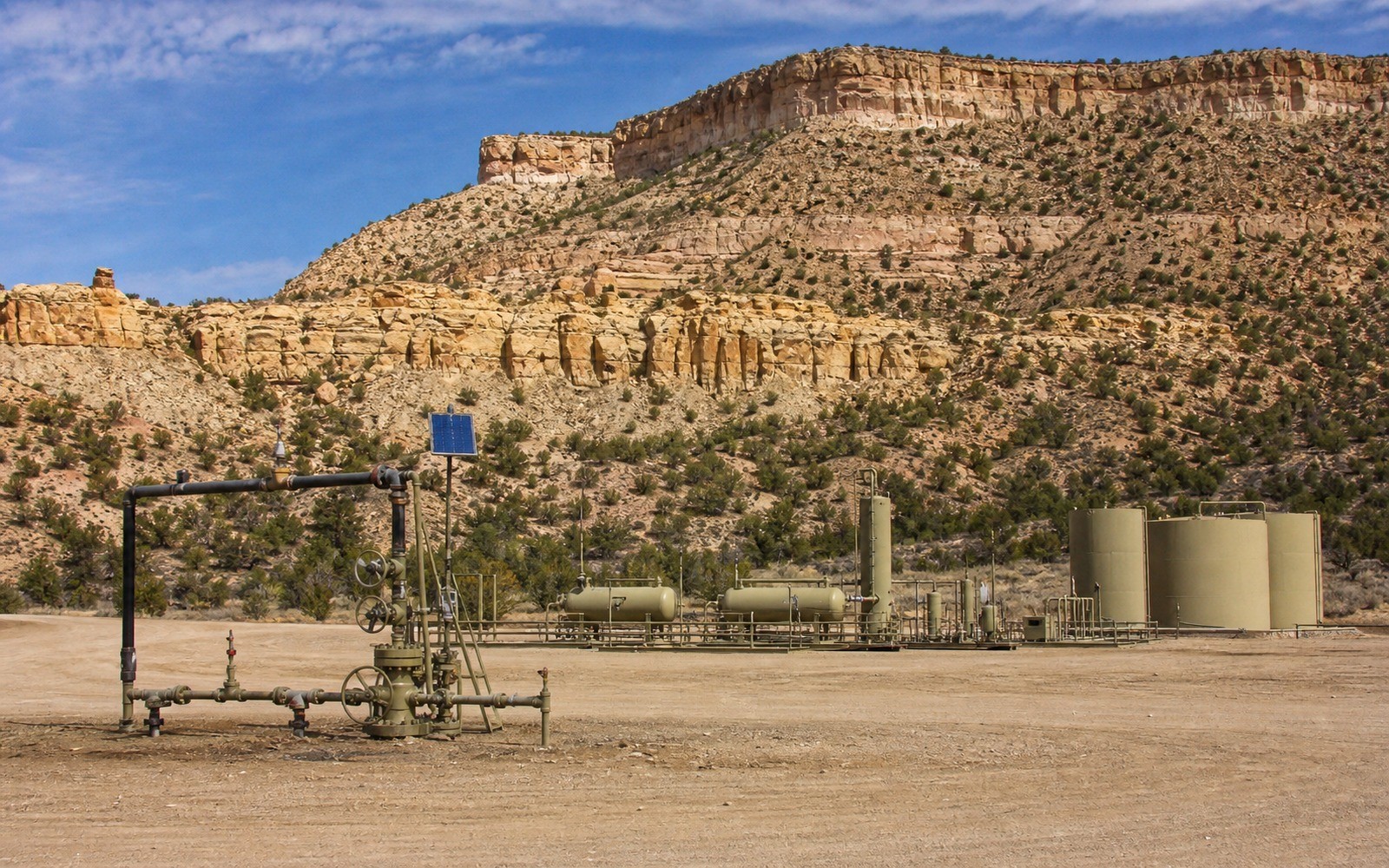
Sitting in Garfield, Rio Blanco, and Mesa counties on Colorado's Western Slope, the Piceance Basin has produced tight gas from the Williams Fork and Mesaverde formations for decades, with a real drilling boom through the 2000s that slowed considerably once gas prices dropped and drilling economics tightened. Unlike an oil-weighted basin, where price swings are cushioned somewhat by liquids revenue, Piceance production is overwhelmingly dry gas, which means your royalty check tracks the Henry Hub and regional Rockies gas price benchmarks closely, for better or worse.
That gas-price sensitivity, combined with the basin's remote location and limited pipeline takeaway capacity compared to Texas or Appalachian plays, has kept the buyer pool here thinner than in more heavily trafficked basins. That's the reality to plan around, not a reason to assume your minerals aren't worth pursuing.
Why gas price cycles hit this basin harder than most
Because Piceance wells are almost entirely gas, with little offsetting oil or NGL revenue, your royalty income moves up and down with gas prices more directly than an owner in an oil-heavy basin would experience. That matters when comparing offers made at different times, an offer made during a stretch of weak regional gas pricing may look conservative compared to one made when prices have firmed, and it's worth checking current gas price trends before assuming a number is out of line.
Takeaway capacity affects realized prices more than headline gas prices
Rockies gas has historically sold at a discount to national benchmarks because of pipeline capacity constraints getting it to bigger markets. A buyer pricing your minerals should be working off the actual realized price on your royalty statements, not a generic national gas price assumption, since the basis differential here can be meaningful. If your statements show a consistent basis discount, that's a normal feature of this basin, not a sign of a bad deal.
Getting a fair read in a quiet market
Pull two or three years of royalty statements to establish your actual realized price and production trend, since that's more useful here than any generic basin talk. Even with fewer buyers active, get a second opinion from someone who specifically understands Rockies gas basis differentials before settling on a number, since a buyer unfamiliar with the local pricing discount could either underprice or overpromise relative to what your production actually nets.
Garfield and Rio Blanco County records are worth pulling
The Colorado Energy and Carbon Management Commission maintains well production and permitting history that can confirm what your own statements are showing, and it's worth checking directly rather than taking a buyer's summary at face value. If your interest passed down through a family that held Western Slope ranch or farm land, also check for old surface-mineral severances, since some older Colorado deeds split those estates in ways that affect exactly what a buyer is purchasing from you.
Remote location also means fewer landmen physically canvassing the area compared to a Texas basin, so word of new activity sometimes travels slower here. If a neighbor mentions a new permit or truck traffic picking up near your section, it's worth following up directly with the operator or state records rather than waiting for a buyer to bring it up first.
Rio Blanco County, further from the more heavily discussed Garfield County core, still carries meaningful legacy production, and interests there shouldn't be dismissed as an afterthought just because it draws less industry attention. A buyer with genuine Piceance experience should treat both counties with equal seriousness rather than defaulting to whichever one they've heard about most recently in industry news.
Questions Owners Put on the Bid Sheet
Why does gas price matter so much for Piceance Basin minerals?
Piceance production is almost entirely dry gas with little offsetting oil or liquids revenue, so royalty income tracks gas price cycles closely. Comparing an offer against current gas price trends helps confirm whether it's reasonable.
What is a basis differential and why does it affect my royalty checks?
Rockies gas has historically sold at a discount to national benchmarks due to pipeline capacity constraints. Your royalty statements reflect that realized, discounted price, which a buyer should account for rather than assuming national gas prices apply directly.
Is the Piceance Basin still an active drilling area?
Activity has slowed considerably from its 2000s peak and now moves in cycles tied largely to gas prices. Check recent permit filings through the Colorado Energy and Carbon Management Commission for current status near your tract.
Why are there fewer buyers interested in Piceance Basin minerals?
The combination of gas-price sensitivity, remote location, and pipeline takeaway constraints has kept this a smaller, more specialized market compared to Texas or Appalachian gas plays.