Fayetteville Shale Mineral Rights
The rigs that made the Fayetteville Shale one of the fastest-developed gas plays in the country pulled out years ago, and the offer letters you get now come from a much shorter list of buyers than they used to.
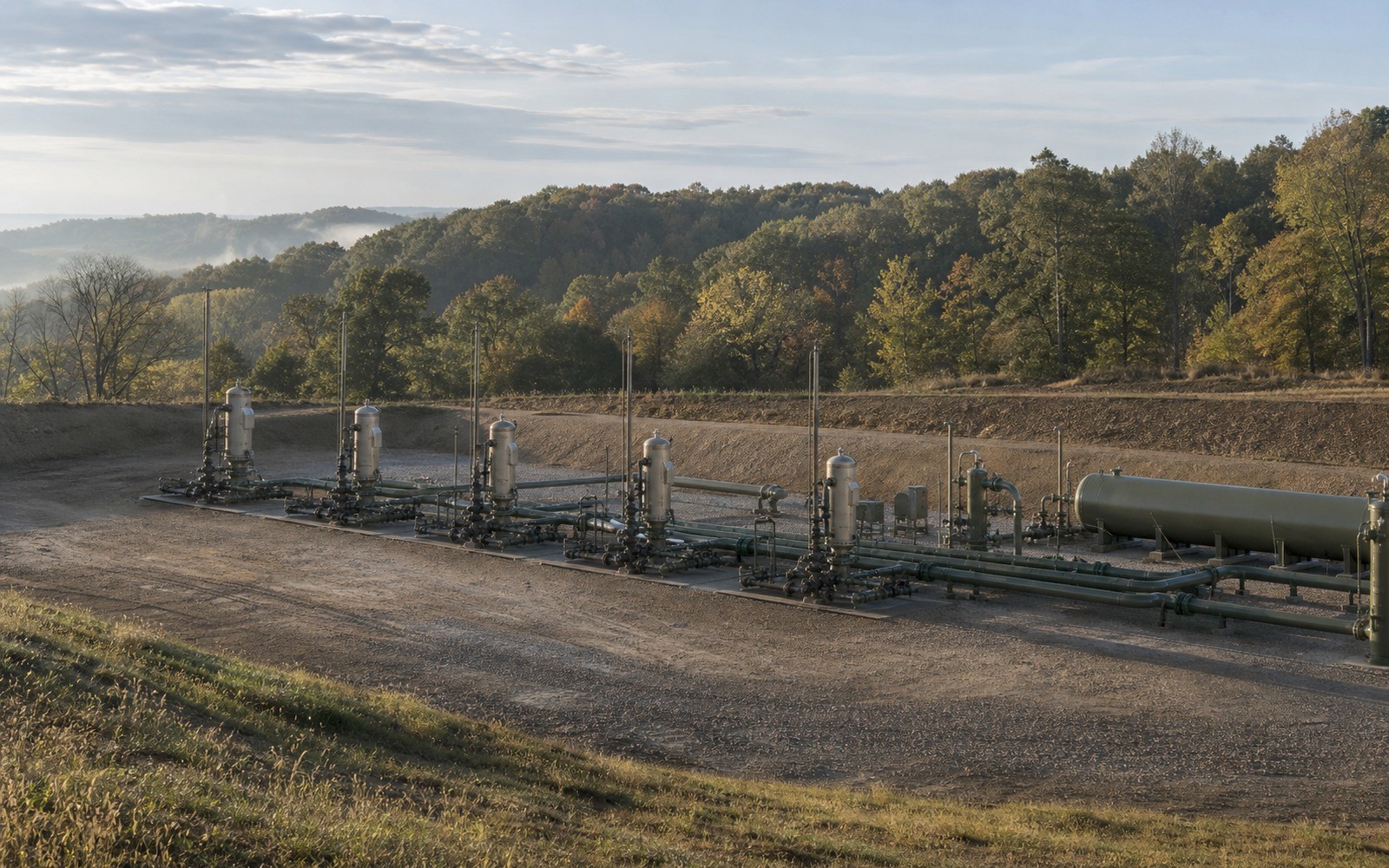
Centered on the Arkoma Basin in north-central Arkansas, running through Van Buren, Cleburne, Conway, and White counties, the Fayetteville Shale had a fast, aggressive drilling run beginning around 2004, with Southwestern Energy leading a rig count that peaked hard and then declined as gas prices softened and the play matured. Most of the wellbores out there today are well past their steepest decline and sitting in a long, flatter production tail, dry gas, modest volumes, but often still checks landing every month for owners.
Because the boom came and went in a relatively short window compared to a basin like the Permian, the number of buyers who still specialize in Fayetteville acreage has shrunk. That's a real shift from how this basin traded a decade ago, and it changes the negotiating posture an owner should take.
A play that peaked and moved on, but didn't go to zero
It's worth separating two different things: whether new drilling is happening (mostly not) and whether existing wells still produce (mostly yes, at a lower, steadier rate). A lot of mineral owners in mature plays like this assume declining new activity means their asset is worthless, but a well several years into its decline curve can still carry real value if the production has flattened into a predictable long tail rather than trending toward zero.
Why the buyer list is shorter now
With so little new permitting in the Fayetteville, the buyers who remain active here tend to be smaller, more specialized outfits who understand mature Arkoma Basin gas specifically, rather than the large national buyers chasing hot new plays. That's not a disadvantage by itself, a specialist often prices a mature asset more accurately than a generalist would. It does mean you're less likely to get five competing bids in a week, and more likely to be negotiating carefully with one or two serious parties.
Making the most of a smaller pool
Pull two to three years of royalty history and look at whether your decline has flattened or is still trending down meaningfully. A flat trend is your strongest card in a thin market, it tells a buyer this is a predictable, long-lived asset rather than a fading one. Even with a shorter buyer list, it's worth getting a second opinion before accepting the first number, since Arkoma Basin gas pricing tracks broader natural gas price trends closely and a stale offer built during a weak gas price window may not reflect current conditions.
Check the Arkansas Oil and Gas Commission records directly
Arkansas keeps well production and permitting data on file with the Oil and Gas Commission, and pulling your own well's record directly rather than relying solely on a buyer's summary gives you an independent check on any offer. It's also worth reviewing the original lease language, since some early Fayetteville leases from the boom years carried terms around pooling and deductions that differ from more standard modern leases, and those terms affect what actually shows up on your royalty check each month.
Van Buren, Cleburne, and Conway counties saw the heaviest concentration of drilling during the boom, and wells in those core areas often have longer, more thoroughly documented production histories than tracts on the play's outer edge. If you're not sure whether your tract sits in the core or the fringe of the play, comparing your section against Arkansas Oil and Gas Commission maps is a quick way to find out before a conversation with a buyer even starts. That extra bit of homework tends to matter more here than in a hotter play, simply because there are fewer buyers around to correct a bad assumption for you.
Questions Owners Put on the Bid Sheet
Is the Fayetteville Shale still producing gas?
Yes, though new drilling activity dropped sharply years ago. Most existing wells have settled into a long, flatter decline and continue producing steady, modest gas volumes.
Why are there fewer buyers for Fayetteville Shale minerals now?
With little new permitting in the play, the large national buyers who chase active drilling have mostly moved on, leaving a smaller group of specialists who understand mature Arkoma Basin gas.
Does a flat production trend help or hurt my offer?
It helps. A flat decline trend on your royalty statements signals a predictable, long-lived asset to a buyer, which is usually the strongest evidence you can bring to a negotiation in a mature play like this.
Should I compare offers even with fewer buyers active?
Yes, even one additional offer from a buyer with real Arkoma Basin experience can confirm whether the first number reflects your current royalty trend and gas price conditions or an outdated assumption built off an older, quieter version of this market.