Antrim Shale Mineral Rights
There is no line of trucks waiting to drill your Antrim Shale acreage, and there hasn't been in years, which means the usual advice about pitting buyers against each other only half applies here.
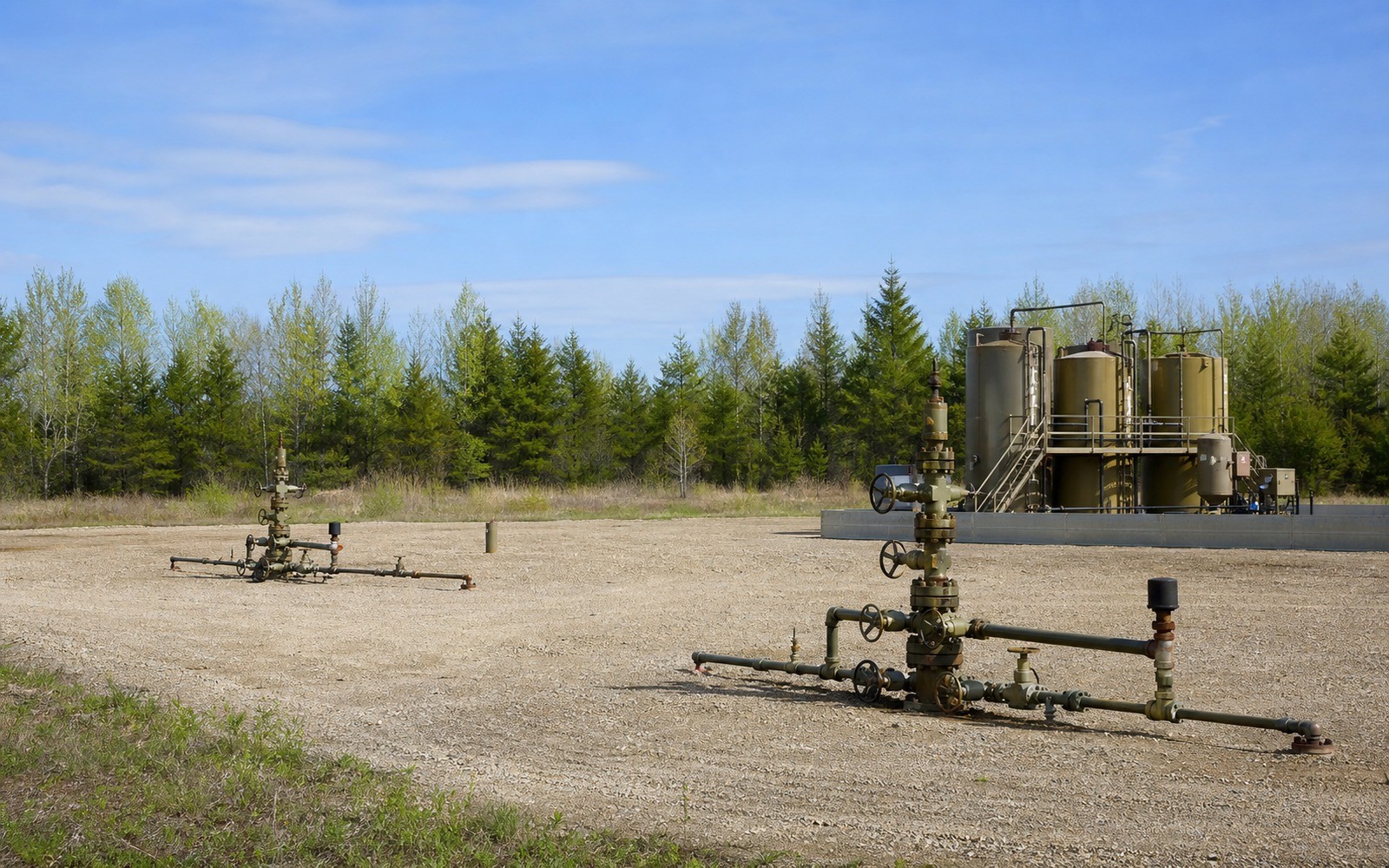
The Antrim is a shallow Devonian shale gas play centered in the Michigan Basin, running through Otsego, Antrim, Kalkaska, and the surrounding counties in the northern Lower Peninsula. It was one of the earlier unconventional gas plays in the country, drilled hard through the 1990s and into the 2000s, and most of the wellbores out there now are old, low-volume, and mechanically simple compared to a modern Permian horizontal. That's not a knock on the asset, a lot of these wells produce steady, unglamorous gas volumes for a very long time. It's just a different animal than a hot shale play with three rigs running.
Because there's so little new drilling, the buyer pool is thin. You're not going to get five competing bids in a week. That doesn't mean you take whatever number lands in your mailbox first, it means you have to work harder to confirm the number is fair, since there's no bidding war to do that work for you.
Why this is a thin market, not a dead one
Antrim wells decline slowly once they're established, sometimes producing modest volumes for twenty-plus years. That long tail is worth something to the right buyer, particularly one who holds legacy Michigan gas assets already and can add your interest to an existing unit without much overhead. But most national mineral buyers who advertise heavily don't bother building expertise in a basin this small, so you'll see far fewer names circling than you would on a Bakken or Permian tract.
How to tell if an offer is lowballing a slow-decline asset
The mistake buyers make on legacy stripper gas is treating it like it's about to fall off a cliff, when the actual decline curve on a mature Antrim well is often flatter than that. Ask any buyer who makes an offer to show you what decline rate they're assuming and over what remaining life. If they can't or won't answer that plainly, they're probably pricing off a generic multiple rather than your well's actual production history, and that tends to work against you on a slow-decline asset like this.
Pull your royalty statements going back at least two or three years if you can. A flat or gently declining trend is your best leverage even with only one or two buyers on the phone, because it proves the well isn't near the end of its economic life.
Getting a second opinion when there's no crowd to run
In a crowded basin, competition does most of the negotiating for you. Here, you have to manufacture that check yourself, usually by getting a second serious buyer to look at the same statements before you sign anything. Even one comparison offer, gathered without tipping off the first buyer, tells you whether you're in a reasonable range or getting taken advantage of because nobody else was bidding.
There's no shame in this taking a couple of weeks longer than a hot-play sale would. Slow-decline legacy gas isn't going anywhere fast, and neither should your decision.
What Michigan's ownership records actually show
Michigan's Department of Environment, Great Lakes, and Energy keeps well records and production data that go back decades for most Antrim wellbores, and those filings are public. Pulling your specific well's production history directly from the state, rather than relying only on what a buyer summarizes for you, gives you an independent check on any decline assumption in an offer. It also matters if your interest passed through several family members over the years, since older Michigan mineral deeds sometimes carry depth or formation limitations that a quick read can miss, and those details affect exactly what a buyer is entitled to purchase from you.
Questions Owners Put on the Bid Sheet
Why don't more buyers call about Antrim Shale minerals?
The Antrim is a small, mature basin with little new drilling, so it doesn't attract the national buyers who chase active shale plays. That's not a sign your minerals are worthless, it just means fewer people are competing for them.
Is my Antrim well too old to be worth selling?
Age alone doesn't determine value. Many Antrim wells decline slowly and keep producing steady, modest volumes for decades. What matters is the actual decline trend on your royalty statements, far more than how long the well has been online.
How do I know if a single buyer's offer is fair with no competing bids?
Ask them to show their assumed decline rate and remaining well life, and compare that against your own royalty history. If possible, get one more buyer to look at the same statements before you decide.
Should I sell now or wait for gas prices to move?
That's your call to make with your own numbers, not a promise anyone can make you. Slow-decline legacy production tends to hold value over time, so there's rarely urgency to sell into a weak price window.