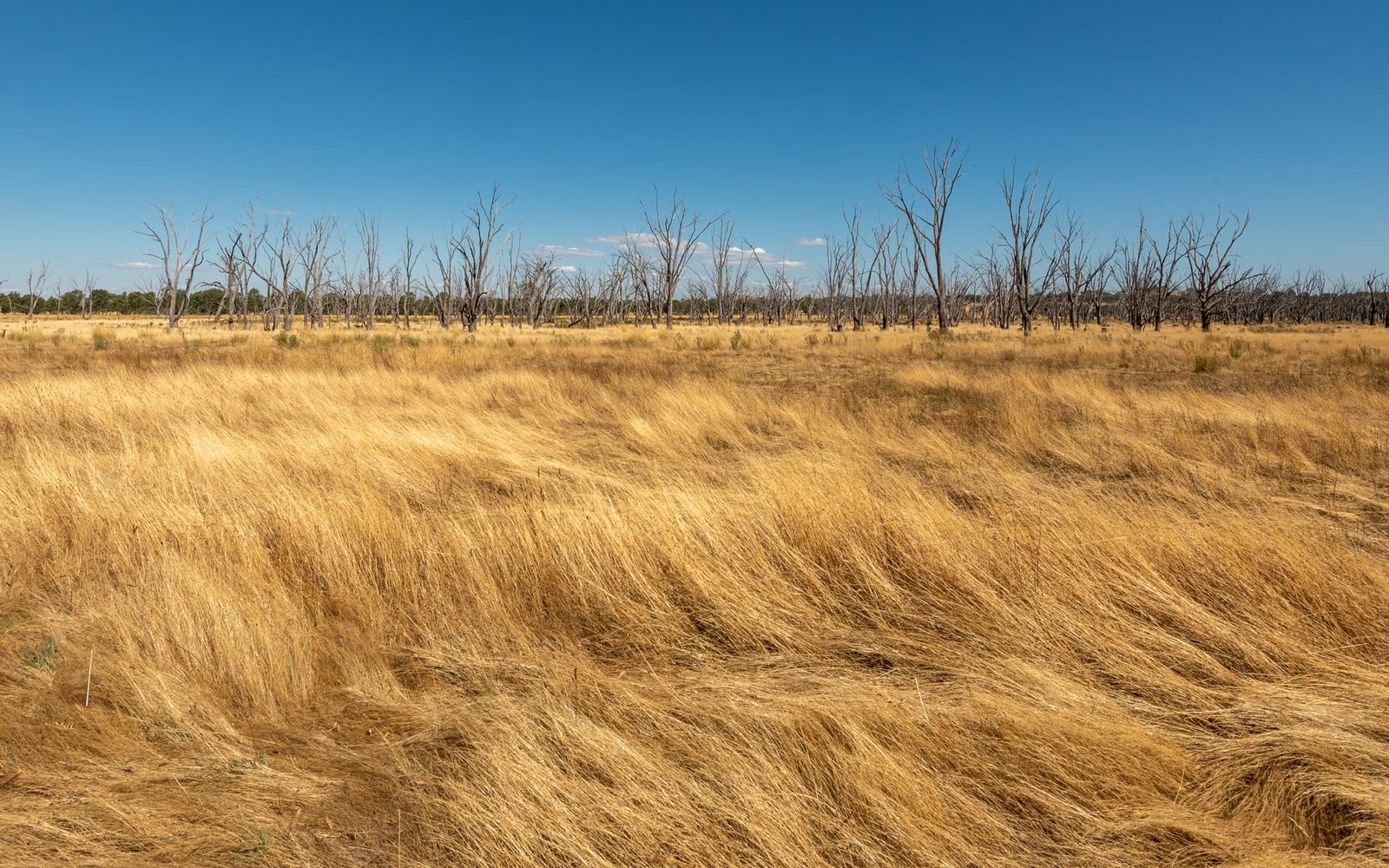
Non-Producing Minerals
No wells, no lease, no checks in the mailbox - just a deed and a county name, and you're wondering if any of it means anything.
Non-producing minerals are the quietest situation in this business, and also the most misunderstood. You own the mineral estate under a piece of land, there's no well on it, no active lease, maybe never has been, and no income has ever come from it. Some owners inherited acreage like this and have no idea what it's worth, or if it's worth anything at all, because there's no royalty check acting as a signal.
The honest answer is that value here depends entirely on geology and location, not on the absence of current activity. Plenty of non-producing tracts sit directly beneath or adjacent to formations that are actively being drilled elsewhere in the county, just not yet on your specific acres - and that's a very different situation from acreage sitting in a basin nobody has touched in decades.
What determines value when there's no production
Location relative to current drilling is the biggest factor. If operators are actively permitting and drilling wells in your county, especially within the same section or adjacent sections, your acreage is likely within reach of a future spacing unit even without a well on it yet - and that proximity carries real speculative value. Pull your county's well and permit map through the state oil and gas agency to see what's actually happening nearby before assuming your acreage is dead.
Formation depth and quality matters too. Some counties have multiple stacked formations at different depths, and a tract that looks quiet on the surface might sit over a productive zone that operators are actively targeting a county over, working their way toward your acreage over several years of development.
Never leased versus previously leased and expired
Minerals that have never been leased are a clean slate - no encumbrance, no prior lessor obligations, fully available to a new owner. Minerals that were once leased and the lease expired without drilling carry a bit of history worth noting: it tells you an operator was interested enough to pay a bonus at some point, even if nothing came of it, which is a data point buyers weigh when they price speculative acreage.
Check whether there's a release of the old lease recorded at the courthouse. An expired but never formally released lease can create a title cloud that a buyer's title work will catch, and it's worth clearing before you're deep into a sale rather than discovering it at closing.
Selling speculative acreage versus holding for future activity
Selling non-producing minerals means selling speculation, essentially the same bet an operator makes when it acquires acreage ahead of drilling. Some buyers specifically build positions in undeveloped or lightly developed counties anticipating future activity, and they'll pay a real number for that potential even with zero current production, especially if trends in the play suggest expansion is coming.
Holding onto non-producing minerals costs you nothing beyond keeping track of who owns them and staying reachable if a landman comes calling for a future lease. There's no wrong answer between selling now for a known amount and holding for a longer-shot payoff later - it comes down to whether you'd rather have certainty today or optionality for a future you can't predict.
What to gather before talking to a buyer
Pull your deed to confirm your legal description and net mineral acre count, check the county's permit and production records for anything nearby, and note whether there's any lease history on the tract even if it's since expired. Buyers evaluating non-producing acreage rely heavily on this kind of surrounding context since there's no royalty statement to lean on, and coming prepared with it tends to get you a more thoughtful, better-informed offer.
A short phone call to the county appraisal district can also confirm your mineral tax status is current, which matters at closing regardless of whether the acreage is producing or not.
Questions Owners Put on the Bid Sheet
Are non-producing mineral rights worth anything?
Often yes, depending on location relative to current drilling activity and formation quality, but the value is speculative rather than income-backed. Acreage near active development typically carries more value than acreage in a county with no nearby activity.
How do I know if my county has any drilling activity?
Your state's oil and gas regulatory agency publishes well and permit records, usually searchable free online by county and section. That data shows you what's actually happening near your acreage rather than relying on guesswork.
What if my minerals were leased once but the lease expired?
The minerals typically revert to you unencumbered, but check the courthouse records for a recorded release of the old lease. An unreleased expired lease can complicate title even though it's no longer legally active.
Should I lease my non-producing minerals instead of selling?
Leasing pays a one-time bonus and keeps future royalty potential if a well gets drilled, while selling gives you a lump sum now and passes that potential to the buyer. Which fits depends on your timeline and how much you value certainty.
Can non-producing minerals still be sold if there's no title work on file?
Yes, though the buyer will run their own title search before closing. Having your deed, prior conveyances, and any lease history organized ahead of time speeds up the process considerably.