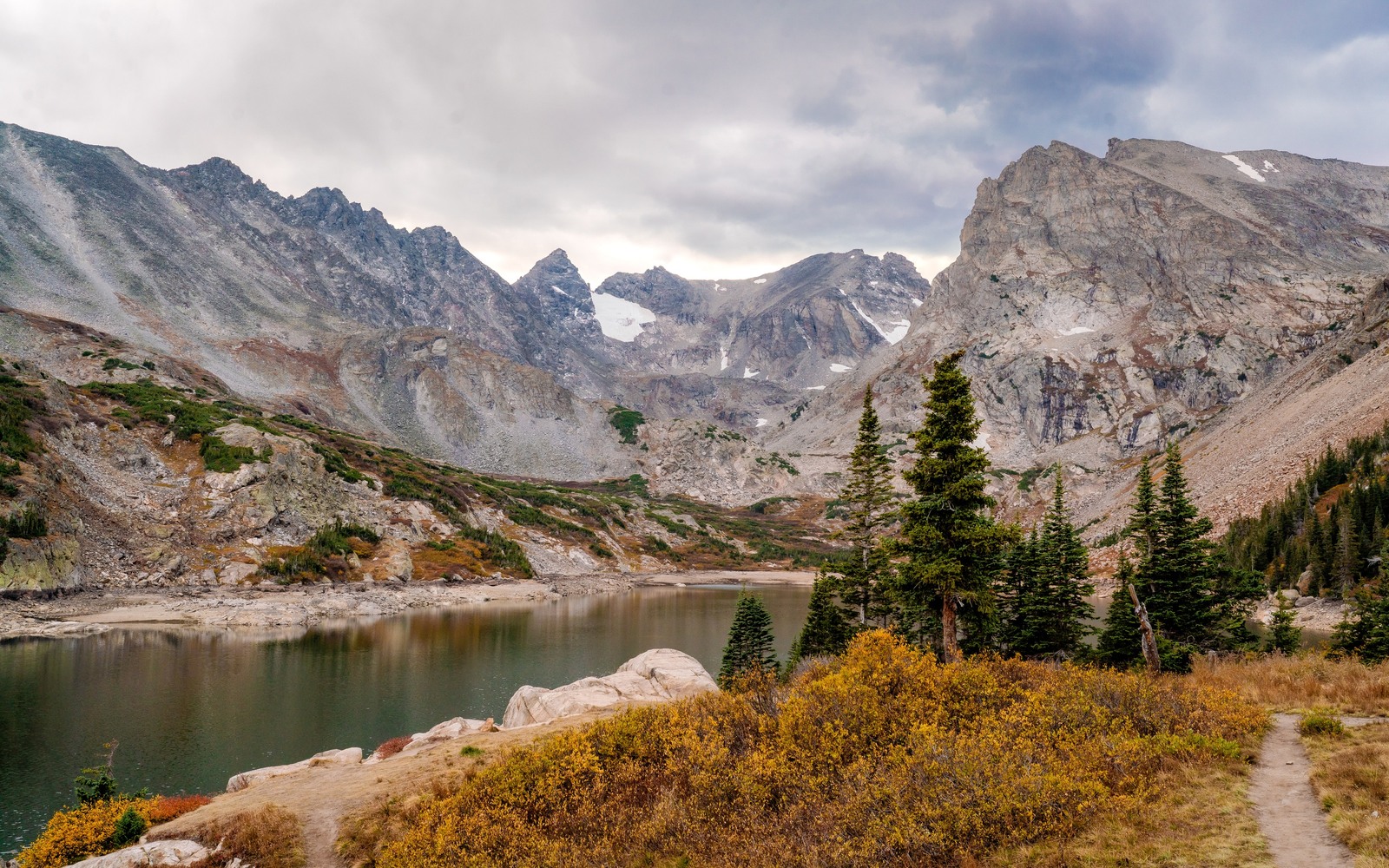
Sell Mineral Rights in Colorado
If you own minerals in the DJ basin, you probably get more offer letters than any other type of mail, and that flood is exactly why so many owners settle for less than they should.
Weld County alone has been one of the busiest drilling counties in the country for over a decade, and if your minerals sit anywhere in the Denver-Julesburg basin footprint, from Weld down through Adams and Arapahoe, you've likely gotten postcards, letters, and cold calls from a rotating cast of buyers you've never heard of. The Piceance basin on the western slope is a different story entirely, gas-heavy, less active in recent years, but still generating checks for legacy owners around Garfield and Rio Blanco counties.
Here's the trap in a high-volume market like the DJ basin: getting a lot of offers feels like leverage, but if you only ever actually negotiate with the loudest or fastest one, you haven't used that leverage at all. Volume of mail isn't the same as competition. Real competition means two or more buyers who both know the other exists, both bidding on the same specific interest, at the same time.
Step one: figure out which basin, and which formation, you're actually in
DJ basin production today is overwhelmingly driven by the Niobrara and Codell formations, developed with long horizontal laterals and large multi-well pads that can pull from spacing units covering a full section or more. If your minerals are in an active drilling spacing unit, your position is fundamentally different from a legacy vertical well owner nearby who hasn't seen a new permit in a decade.
The Piceance is mostly a gas play tied to the Williams Fork and Mesaverde formations, developed earlier and slower than the DJ, and less of a moving target today. Know which situation you're in before a single conversation with a buyer, because the pitch you should expect is different for each.
Step two: pull your own production data before anyone quotes you a number
The Colorado Energy and Carbon Management Commission (the state's oil and gas regulator) publishes well production records that are public and searchable by operator or location. If a buyer's offer doesn't roughly track what the actual production history on your unit shows, ask why, specifically, before you sign anything.
This step alone filters out a lot of lazy offers. A buyer relying on you not checking loses that advantage the moment you've already looked.
Step three: get more than one buyer bidding on the same interest at the same time
This is the part that actually moves the number. A buyer who knows they're the only one looking at your interest has no reason to sharpen their offer. A buyer who knows someone else is also bidding does. In a market as active as the DJ basin, this isn't hard to set up, it just requires not signing with the first caller because they were first.
Piceance owners should expect this to take more patience, since fewer buyers actively work that basin right now, but the same principle holds. One additional bid in a thin market moves the price more, not less, than it would somewhere crowded.
Step four: understand what setback rules and local regulation mean for future value
Colorado has some of the strictest well-setback and local-control rules in the country, particularly near Front Range population centers, and those rules affect where new wells can physically be drilled relative to homes and schools. That matters for how a buyer values undeveloped or lightly developed acreage, since future drilling potential is part of what they're pricing. Ask a buyer directly how local setback and permitting rules in your specific county affect their number, and be skeptical of anyone who hasn't factored it in at all.
Questions Owners Put on the Bid Sheet
Why do I get so many more mineral rights offers in Colorado than my cousin in another state?
The DJ basin has been one of the most actively drilled areas in the country for years, which means a large pool of buyers actively works Weld County and the surrounding footprint. More mail doesn't automatically mean better offers though, it means more reason to compare before signing.
Is the Piceance basin still worth selling into?
It's less active than the DJ basin right now, mostly legacy gas production, but existing wells still generate royalties and the interests still carry sale value. Fewer buyers work this basin actively, which makes comparing the ones who do more important.
How do Colorado's drilling setback rules affect my offer?
Stricter setback requirements near populated areas can limit where future wells get drilled, which affects a buyer's view of undeveloped acreage upside. It shouldn't affect the value of interests tied to wells already producing, but ask any buyer to explain how they're treating it.
How fast do DJ basin wells decline?
Horizontal Niobrara and Codell wells typically show steep initial decline in the first one to two years before flattening into a longer tail, which is standard for modern shale-style completions. Your interest's value depends heavily on where a specific well sits on that curve.
Should I trust an offer that comes with a tight deadline to sign?
Be skeptical of artificial urgency. A legitimate buyer can wait long enough for you to check production records or get a second opinion, and pressure to sign fast is more often about limiting your ability to compare offers than any real time-sensitive market condition.