Utica Shale Mineral Rights
The Utica sits deeper than the Marcellus above it, and across eastern Ohio it swings from dry gas to liquids-rich wet gas to oil in a fairly tight geographic band, which means your county tells a buyer almost as much as your production history does.
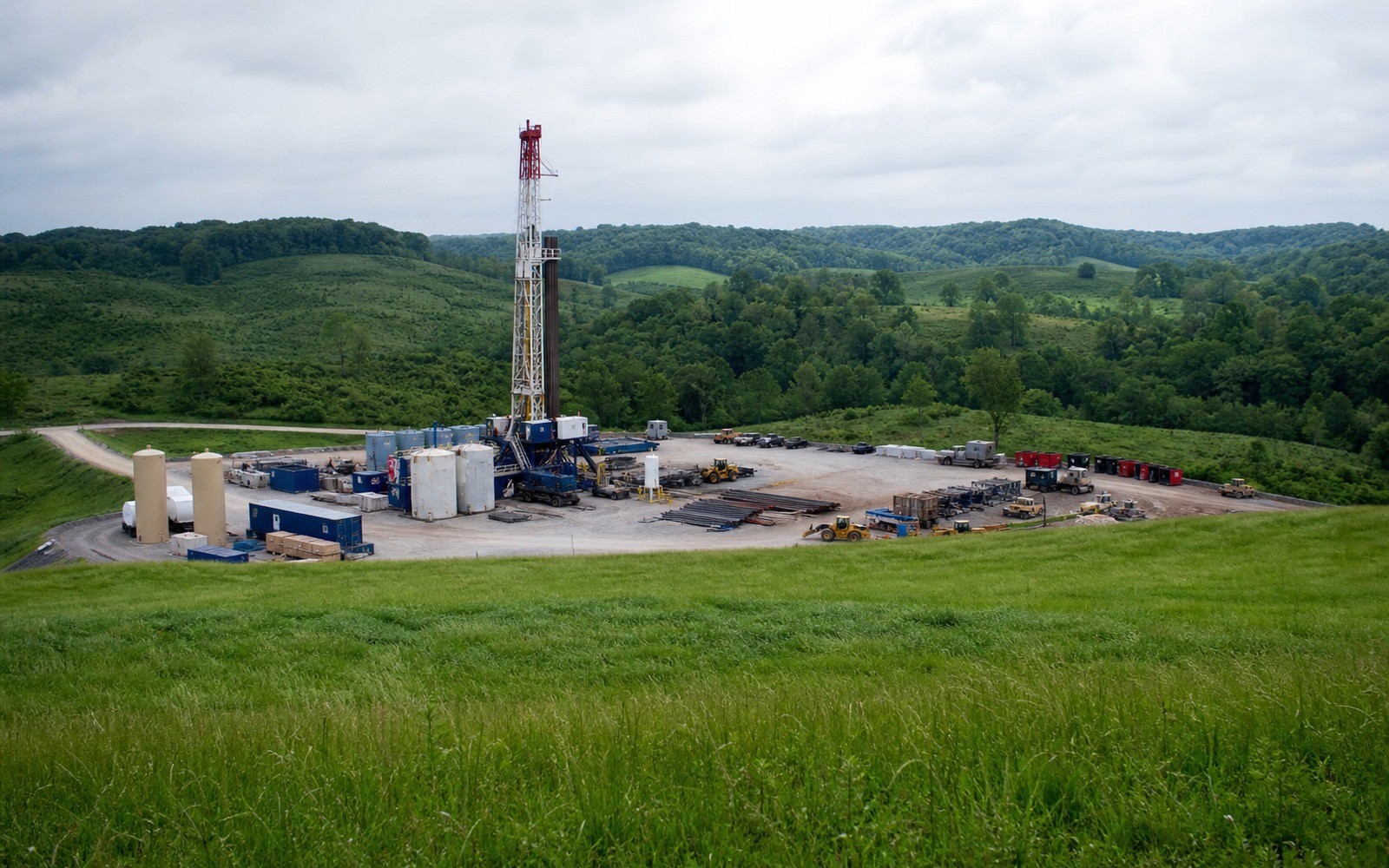
Underlying much of eastern Ohio and stretching into western Pennsylvania and West Virginia, the Utica Shale sits below the Marcellus in the same general Appalachian Basin stack, but it's deeper and geologically distinct, with its own drilling and completion requirements. Ohio's core Utica counties, Carroll, Harrison, Belmont, Guernsey, and the surrounding area, have seen sustained development from operators including Encino Energy and Ascent Resources for over a decade now, making this one of the more consistently active Appalachian plays even as some neighboring formations have slowed.
Like a lot of Appalachian shale, the Utica isn't one uniform product. Moving across the play, production shifts from dry gas in the eastern, deeper portions to a liquids-rich wet gas window further west, with condensate and even oil production in parts of the play's western edge. That shift matters directly to what your minerals are worth.
Why the wet gas window carries different economics
Wells producing in the Utica's wet gas window generate revenue from natural gas liquids, ethane, propane, and heavier components, in addition to the raw gas itself, which can meaningfully change the total revenue picture compared to a dry gas well. A buyer pricing your minerals needs to know which window your tract falls in and should be looking at your actual royalty statement line items, rather than a single blended gas price, to price it correctly.
Ongoing development keeps this a genuinely competitive basin
Unlike some plays that had a short burst of activity and went quiet, core Utica counties have seen consistent drilling for over ten years, with operators continuing to add wells and infrastructure. That sustained activity supports a real, ongoing buyer market, several mineral buyers specialize specifically in Appalachian Utica and Marcellus acreage and compete for owner attention, which gives you more room to shop an offer here than in a played-out basin.
Confirming your specific position before selling
Check your county against current Utica dry gas, wet gas, and oil window maps, and review your royalty statement for NGL or condensate line items that would confirm you're in a liquids-rich area. With that confirmed, along with your division order and recent Ohio Department of Natural Resources permit activity near your section, put the packet in front of two or three buyers who specifically know Appalachian Utica production rather than accepting a generic Ohio number.
Ohio's fractionated farmland ownership shows up often
A lot of eastern Ohio mineral ownership sits under generations-old farmland, and it's common for a single quarter section to have several heirs each holding a small fractional interest passed down through a family estate. If that describes your situation, confirming your exact decimal share through probate records and your county recorder's office before comparing offers matters just as much as understanding which production window you're in, since a buyer needs both pieces to price your interest accurately.
Carroll County in particular has some of the longest, most thoroughly documented Utica production history in the state, going back to the play's earliest wells, which makes it easier for both you and a buyer to confirm a specific well's decline trend against public Ohio Department of Natural Resources records rather than relying on assumptions. Belmont and Guernsey counties, further south, have their own separate development timelines worth checking individually rather than assuming they mirror Carroll County's history, since permitting pace and operator focus have shifted noticeably between these counties over the years as the play has matured and expanded further south into the state.
Questions Owners Put on the Bid Sheet
How is the Utica Shale different from the Marcellus?
The Utica sits deeper in the same Appalachian Basin stack and is geologically distinct, requiring its own drilling approach. Both are actively developed in overlapping parts of eastern Ohio, Pennsylvania, and West Virginia, but they're separate formations with separate pricing considerations that a buyer should evaluate independently.
How do I know if I'm in the Utica's wet gas or dry gas window?
Check your royalty statements for natural gas liquids or condensate line items, which indicate wet gas production, and compare your county against current Utica window maps. This affects total revenue and should factor directly into any offer you're evaluating.
Is the Utica Shale still being actively drilled in Ohio?
Yes, core counties including Carroll, Harrison, Belmont, and Guernsey have seen sustained development for over a decade from operators including Encino Energy and Ascent Resources.
Should I get multiple offers on Utica Shale minerals?
Yes, given the ongoing activity and the number of buyers who specialize in Appalachian Utica and Marcellus acreage specifically, comparing two or three offers is realistic and often worthwhile before you commit to any single number or sign anything.